Metal Roof Install Built to Handle Serious Storm Wind Uplift
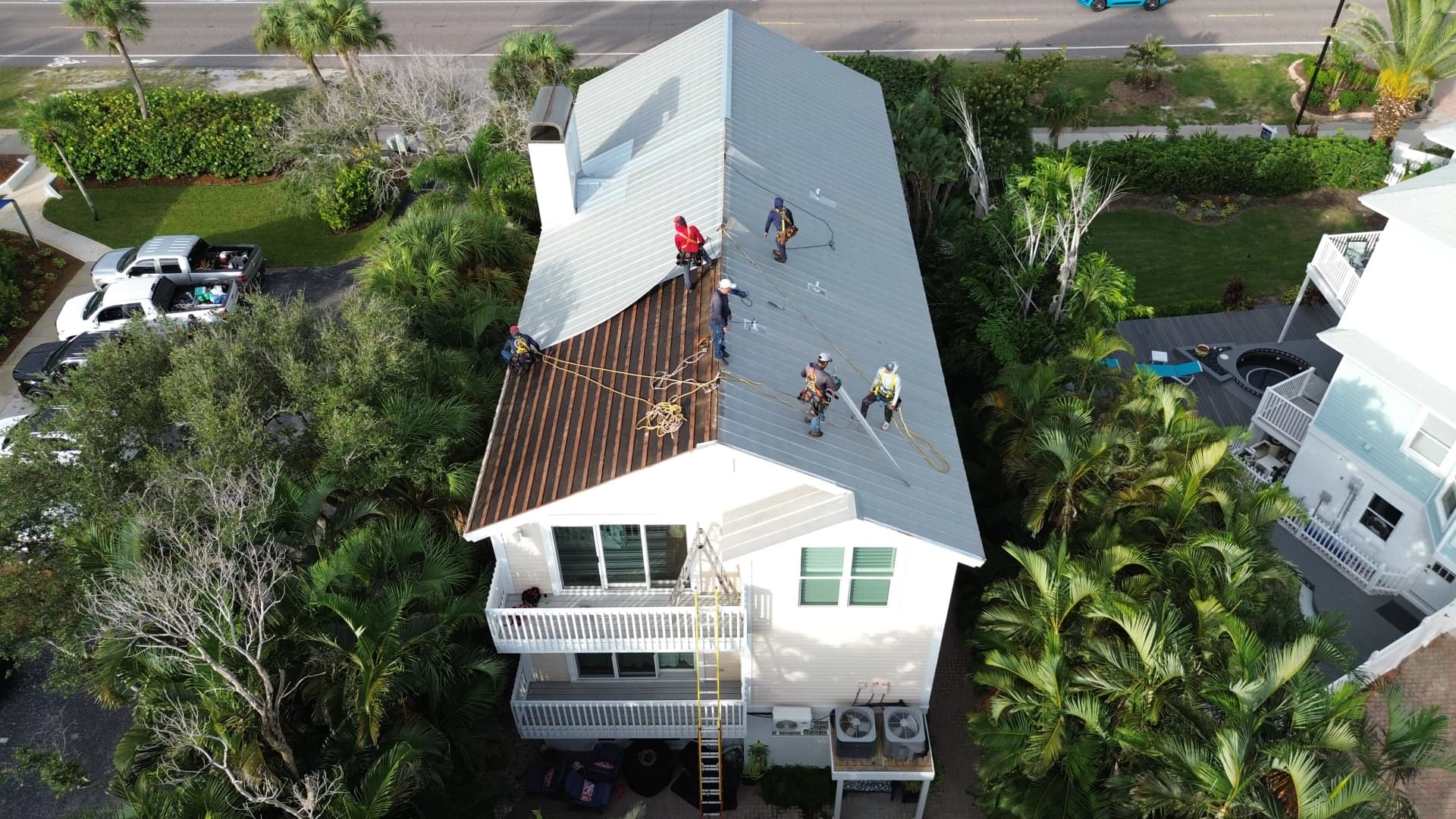
There's a difference between a roof that passes inspection and a roof that actually holds up when a serious storm rolls through. A lot of homeowners don't think about that gap until it's too late. That's exactly what this job was about - closing that gap with the right materials and the right installation process from the start.
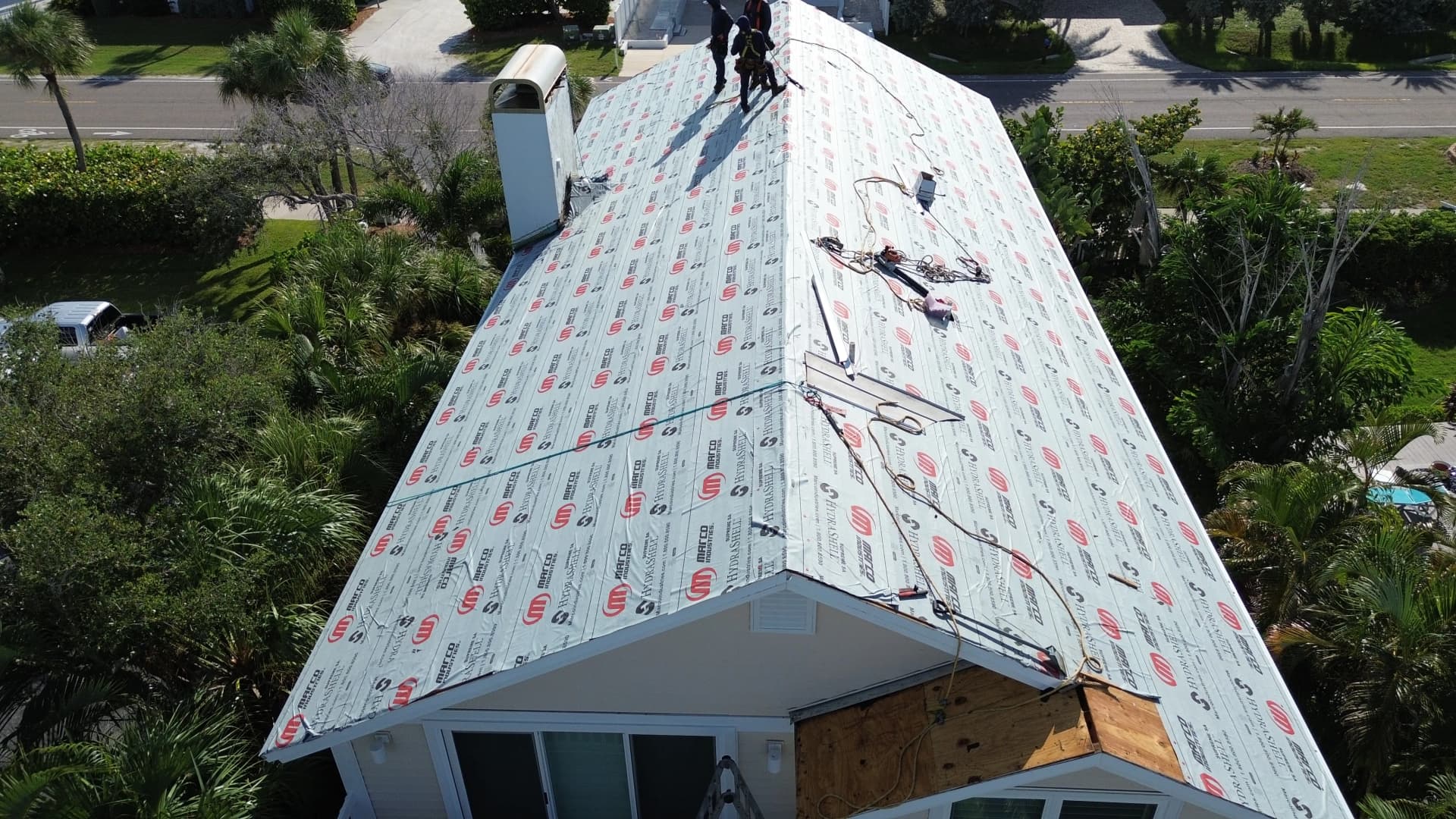
Here's what we were working with: an older roof on a coastal home that needed a full redo. Coastal homes face a different level of punishment than inland properties. Salt air, humidity, and high winds are a constant. So when we pulled the old roof off, we didn't just slap down metal panels and call it a day. We layered in high-quality underlayment - Marco Industries HydraShield - across the entire deck before a single metal panel went on. That step alone makes a meaningful difference in moisture protection and wind performance.
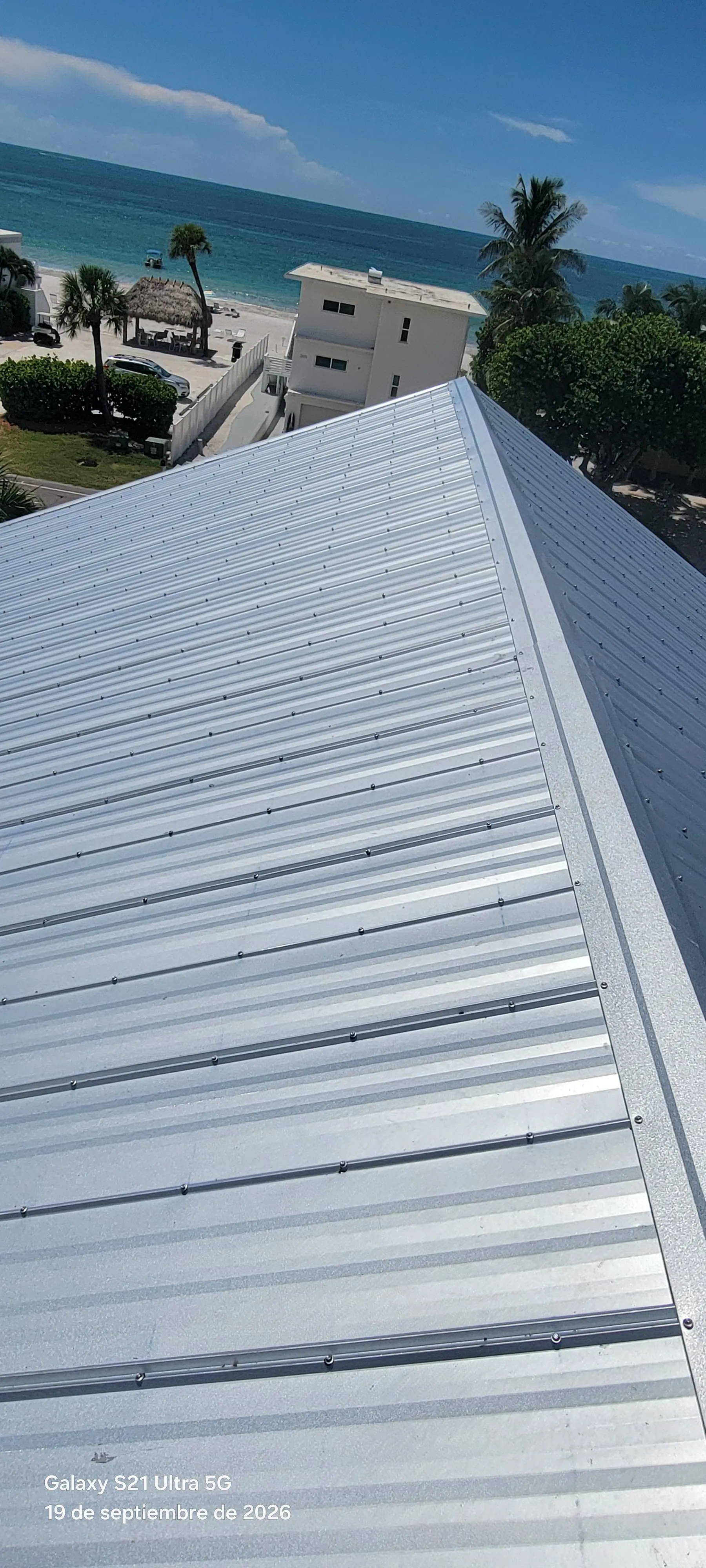
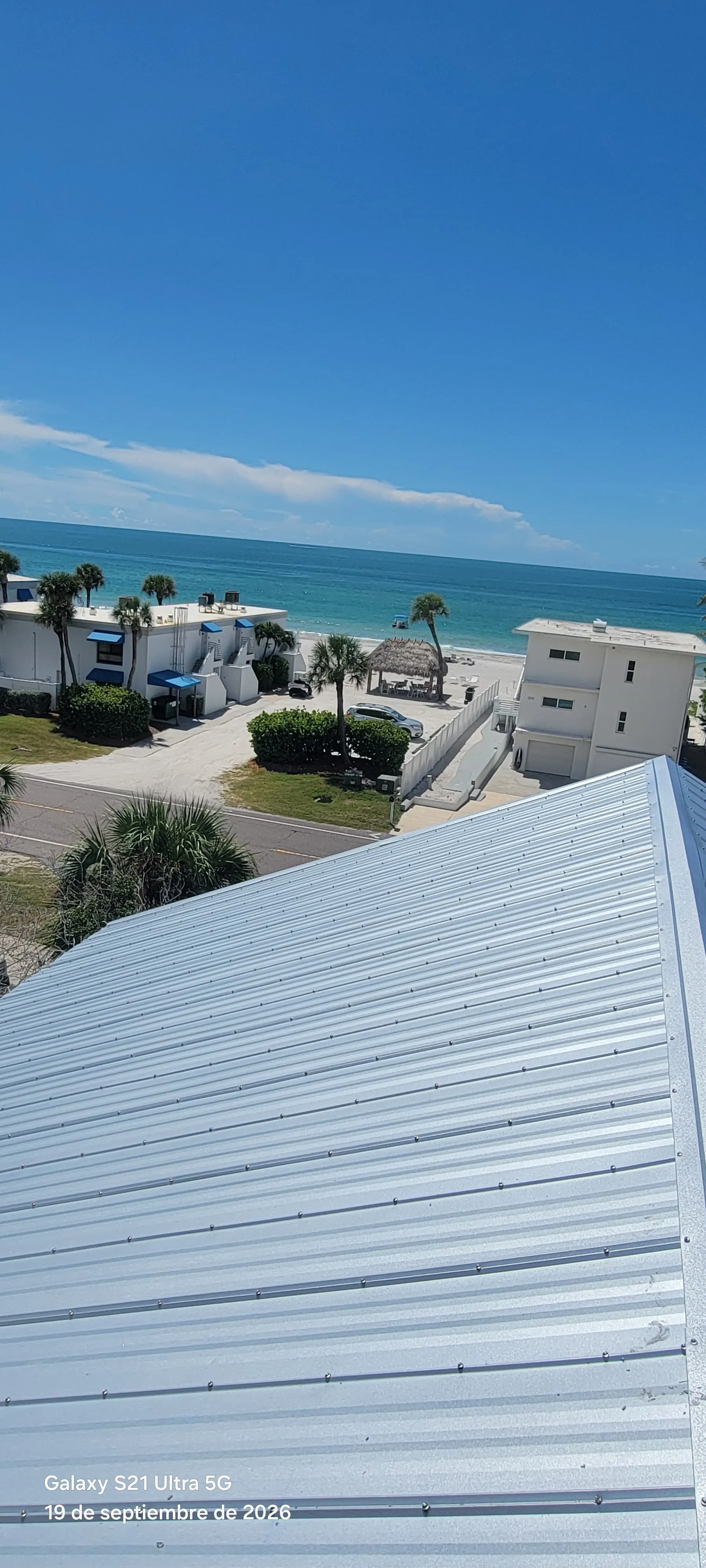
The metal roofing install itself was done with attention to the details that actually matter for wind uplift. Proper fastener patterns, tight panel alignment, clean ridge and edge work. When you're right up against the water, those details aren't optional. A roof that looks fine but was installed with shortcuts is a liability waiting to happen.
What you end up with is a metal roof that isn't just code-compliant on paper - it's genuinely built to take a hit. Metal roofing is already one of the strongest options available for Florida homes, but the installation is what separates a roof that lasts from one that doesn't. We take that seriously on every single job.
Passing code is the floor, not the goal. Our goal is a roof that gives the homeowner real confidence when storm season gets active - and this one does exactly that.